
Redesign SADARI Website
Professional website for mental health services with modern design and advanced features
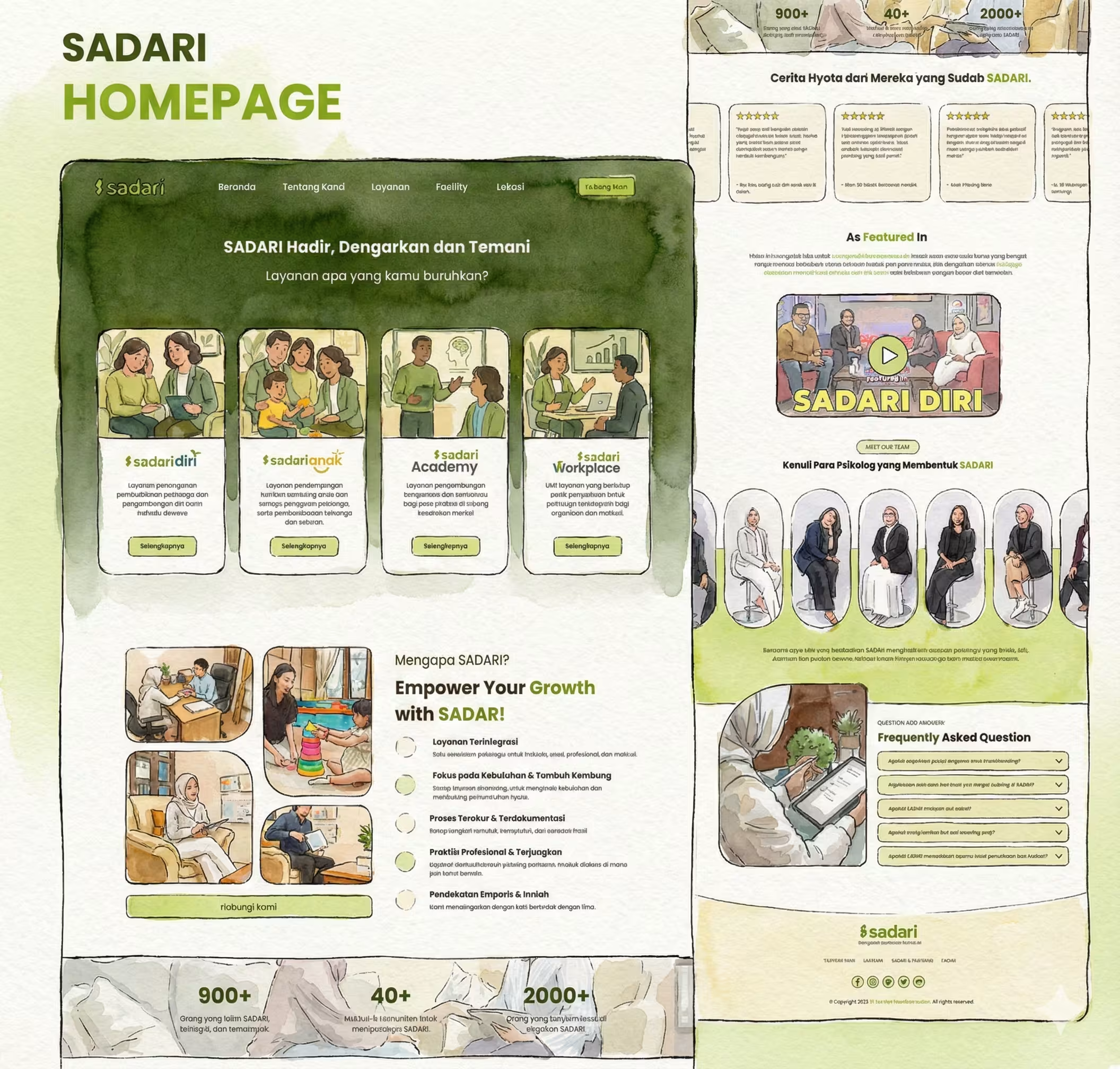
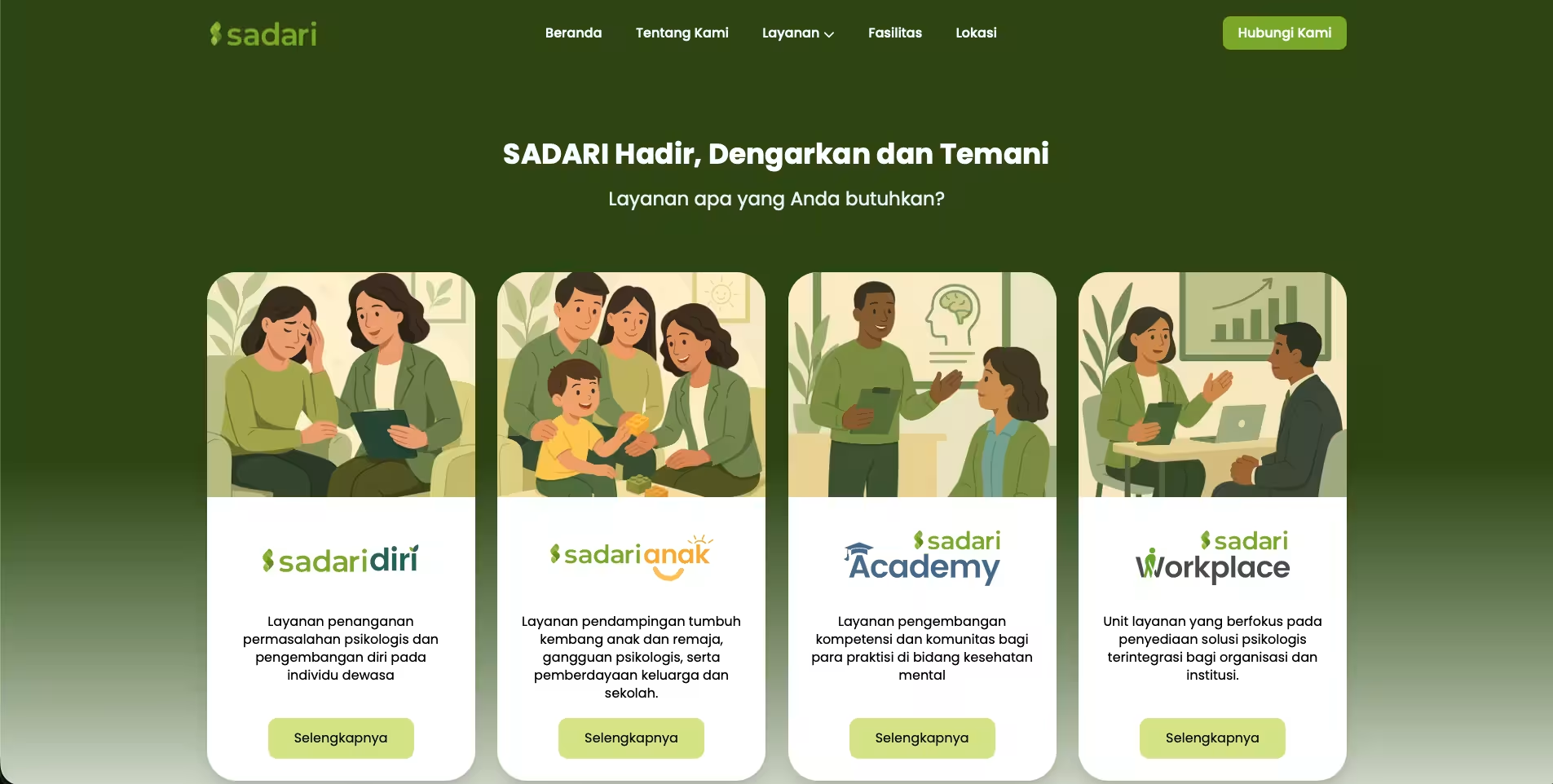
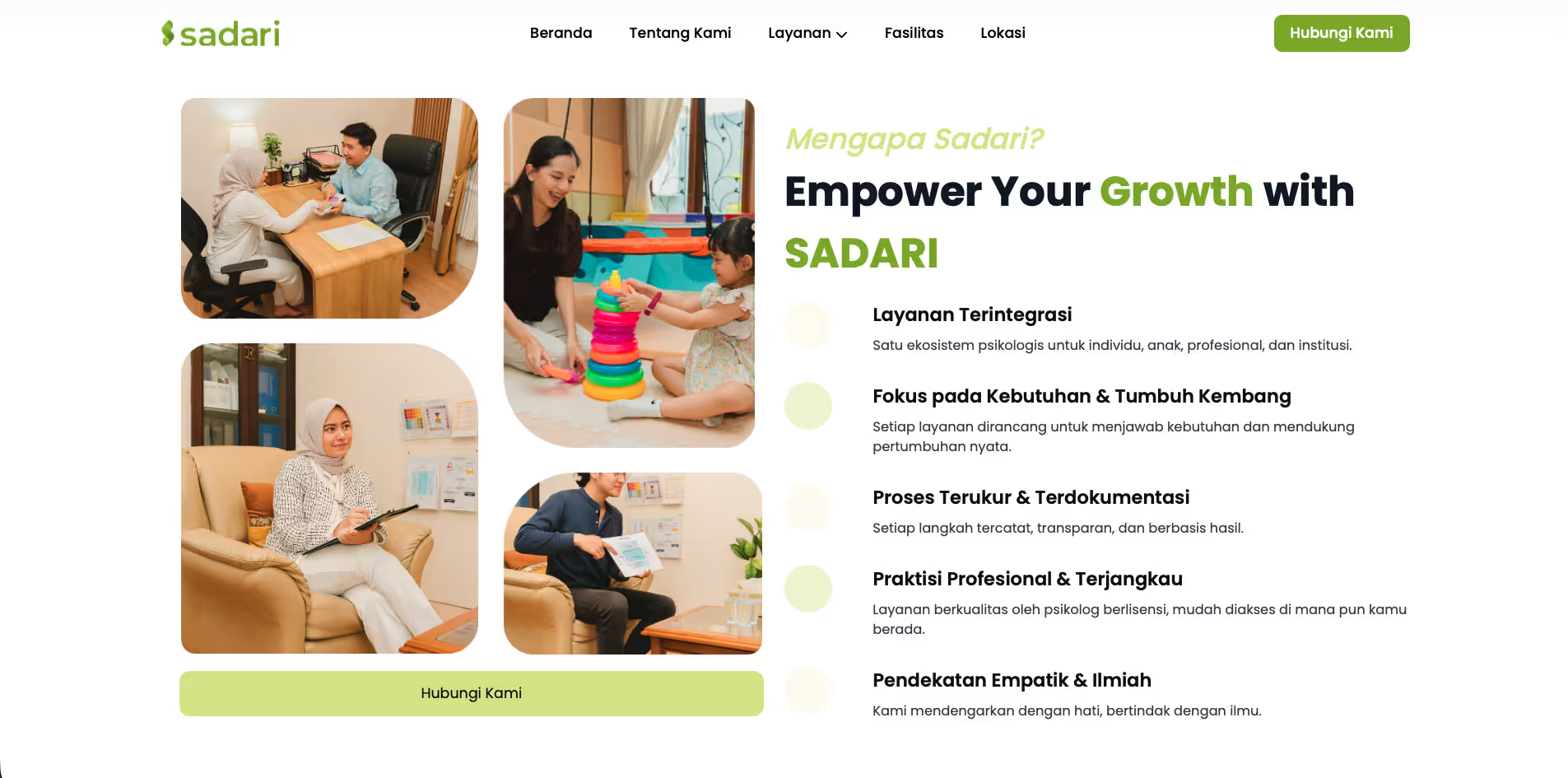
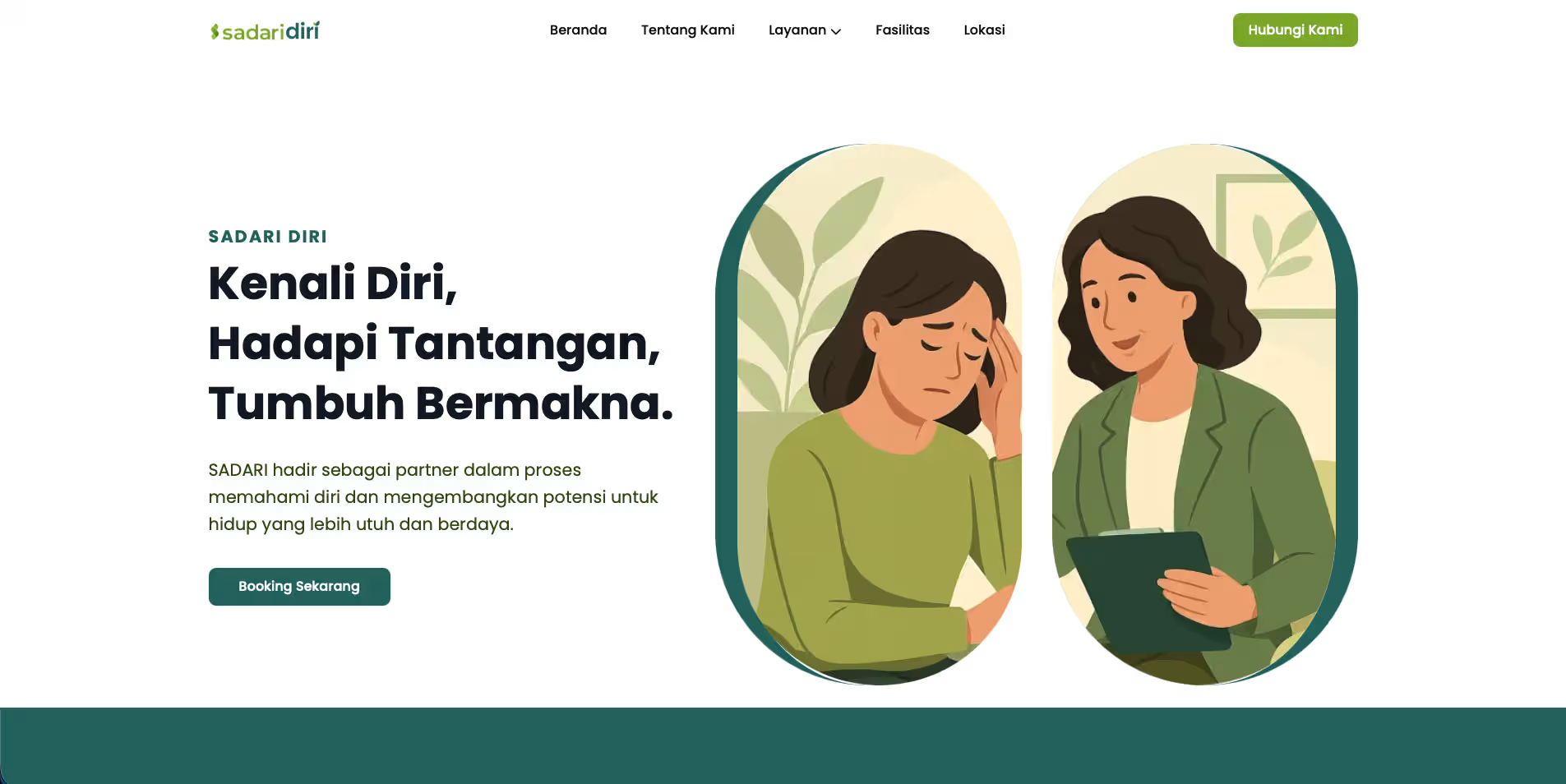
Led the redesign of the Sadari landing page using Next.js 15, Tailwind CSS, Framer Motion, Shadcn UI, and TypeScript. Applied best practices including reusable components, container-presentational architecture, and clear separation of concerns.
The Journey
The Challenge: Building Trust Through Design
Why mental health websites need special care
When I started working on the Sadari website, I realized this wasn't just another landing page project. Mental health services require a unique approach - the website needed to feel safe, professional, and welcoming all at once. The challenge was creating a design that would: • Make visitors feel comfortable seeking help • Establish credibility and professionalism • Be accessible to people of all technical abilities • Load quickly even on slower connections I spent the first two weeks researching mental health websites, studying color psychology, and understanding the emotional journey of someone seeking psychological help.
The Approach: Component-Driven Architecture
Building for scalability and maintainability
I decided to build the website using a container-presentational pattern, separating business logic from UI components. This approach allowed me to: 1. Create a comprehensive design system in Figma first 2. Build reusable components with Shadcn UI as the foundation 3. Implement smooth animations with Framer Motion without sacrificing performance 4. Use TypeScript to catch errors early and improve code quality For the design system, I created auto-layout components in Figma that could be directly translated to code. This meant designers and I could work in parallel without conflicts.
The Impact
Real results for real people
After launch, the website became the primary touchpoint for Sadari's digital presence. The clean, professional design helped establish trust with potential clients, while the fast performance ensured no one would leave due to slow loading times. The component-based architecture I built also made it easy for the team to add new services and content without requiring my constant involvement - exactly what a growing mental health practice needs.
Technologies Used
Key Features
Key Learnings
Project Gallery
Interested in this project?
Feel free to explore the code or see it in action. I m always happy to discuss the technical details!