
Spasial 2024
Building scalable full-stack systems for high-impact events
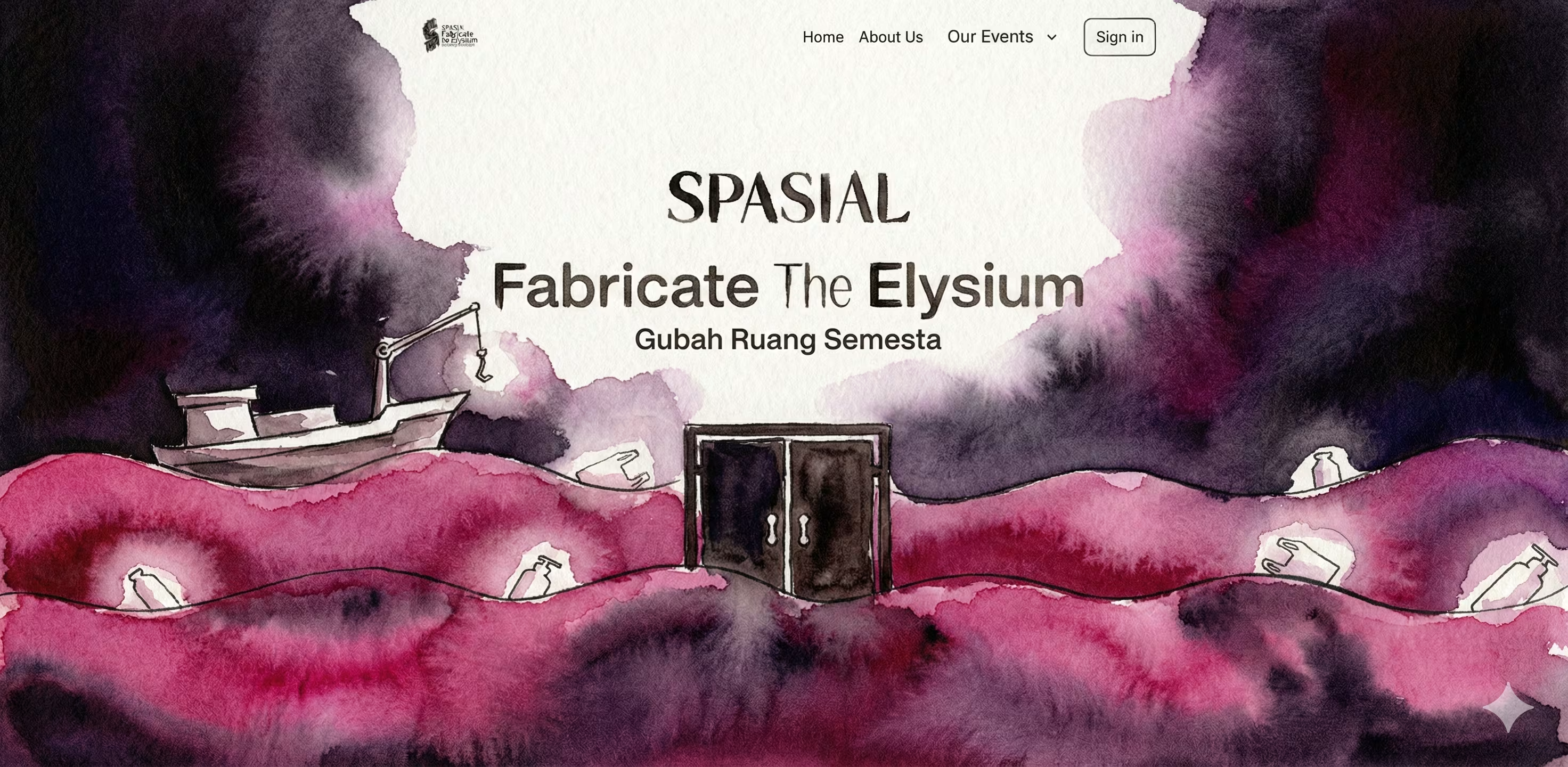
Spasial 2024 is one of the most prestigious events hosted by Interior Design students at Institut Teknologi Sepuluh Nopember (ITS). As a Full Stack Developer during a nine-month contract, I developed and maintained a robust web application designed to handle performance demands, scalability requirements, and secure infrastructure. The platform integrated modern frontend, backend, database, and cloud technologies to ensure reliability and responsiveness.
The Journey
Engineering for Scalability
Balancing performance, security, and maintainability
Spasial 2024 required a robust architecture capable of handling real-world traffic while maintaining system security and responsiveness. Key challenges included: • Designing scalable APIs for dynamic data interactions • Ensuring seamless integration between frontend and backend systems • Maintaining performance under concurrent user loads • Implementing secure and reliable cloud infrastructure
Modern Full-Stack Architecture
From frontend interfaces to cloud infrastructure
I built the frontend using Next.js 14 and TypeScript to deliver a responsive and maintainable user interface. Backend services were implemented in Go using the Gin framework, ensuring efficient and secure API communication. PostgreSQL with GORM was used to maintain structured and optimized data handling. Infrastructure was containerized using Docker and orchestrated with Docker Swarm. Cloudflare enhanced security and performance, while Nginx handled routing and load balancing. Comprehensive API testing with Postman ensured system reliability and minimized production issues.
Delivering a Secure and Reliable Platform
Technology supporting event excellence
The Spasial 2024 platform successfully supported event operations with high reliability and performance. Impact highlights: • Scalable architecture capable of handling traffic spikes • Optimized database queries reducing latency • Secure API ecosystem with structured documentation • Improved deployment workflow through containerization This project significantly strengthened my expertise in full-stack engineering, cloud infrastructure management, and scalable system design.
Technologies Used
Key Features
Key Learnings
Project Gallery


Interested in this project?
Feel free to explore the code or see it in action. I m always happy to discuss the technical details!